A broken sewer line can create a multitude of problems for homeowners. From unpleasant odors to backed-up drains, the signs of a malfunctioning sewer system are both frustrating and often urgent. The temptation to address these issues through do-it-yourself (DIY) solutions can be strong, especially for those who consider themselves handy or resourceful. However, the reality is that tackling a broken sewer line without professional guidance can lead to more complications than it resolves.
Understanding the complexities of sewer systems is crucial. They involve intricate networks of pipes that carry wastewater away from homes and into treatment facilities. Damage to these underground lines can stem from various causes, including aging infrastructure, tree root intrusion, soil shifting, or even extreme weather conditions. While DIY fixes may seem attractive due to their lower upfront costs, they frequently fall short in addressing the underlying issues effectively.
Common DIY Approaches and Their Pitfalls
Many homeowners resort to DIY methods when faced with sewer line problems. These approaches often include using chemical drain cleaners, plungers, or attempting to repair visible leaks with basic tools. Each method has its drawbacks.
Chemical Drain Cleaners
While they can clear minor clogs caused by grease or soap buildup, chemical cleaners are not a comprehensive solution for more severe issues like cracks or breaks in the pipe. Prolonged use of these chemicals can damage pipes further, leading to corrosion and leaks that are harder to fix.
Plungers
Using a plunger may effectively dislodge minor blockages in toilets or sinks; however, it is ineffective when dealing with deeper issues within the sewer line itself. A plunger does not address underlying problems such as tree roots infiltrating pipes or significant cracks that require more serious repair methods.
Epoxy Pipe Liners
Some homeowners attempt repairs using epoxy liners that promise quick fixes for leaks and cracks. These products may work temporarily but often fail under stress or over time if not applied correctly. If the underlying cause of the damage isn't resolved first—such as improper drainage slope or persistent moisture—the issue will likely reoccur.
Signs You Might Be Facing a Broken Sewer Line
Recognizing the signs of a broken sewer line is critical for timely intervention. Homeowners should watch out for:
Unpleasant Odors: Foul smells coming from drains may indicate sewage backup. Slow Drains: Gradually slowing drains in multiple fixtures could point toward a significant blockage. Wet Spots in Yard: Unexplained puddles or unusually lush patches of grass may signal leaks in underground pipes. Multiple Clogs: Frequent clogs across different fixtures suggest systemic issues rather than isolated problems. Foundation Cracks: Water pooling around your home's foundation might indicate severe drainage issues below ground level.Ignoring these symptoms can lead to costly repairs and potential health hazards from sewage exposure.
The Risks Involved with DIY Repairs
Attempting DIY solutions poses several risks:
Lack of Expertise
Most homeowners do not possess specialized knowledge about plumbing systems and their intricate workings. This lack of expertise could result in misdiagnosing the problem or implementing ineffective solutions that exacerbate the situation.
Costly Consequences
While initial cracked sewer pipe repair attempts at home repairs might seem budget-friendly, they can lead to expensive outcomes if problems worsen due to inadequate fixes. For instance, if one were to ignore signs of tree root intrusion and instead apply temporary remedies like snaking pipes, they might find themselves facing significant excavation costs later on when major repairs become necessary.
Safety Hazards
Sewage backups are not just inconvenient—they pose health risks as well due to exposure to harmful pathogens contained in waste materials. Without proper gear or training, handling contaminated water can be dangerous.
Structural Damage
Improper repairs might allow water to continue seeping into surrounding areas, leading to structural damage over time—affecting foundations and landscaping alike.
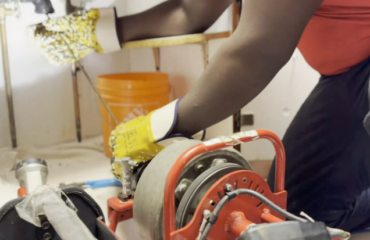
Professional Solutions That Truly Work
cracked pipe lining techniquesWhen faced with a broken sewer line, seeking professional help is often the best course of action—particularly if you want lasting results without risking further damage or costs down the road.
Trenchless Technology
One standout solution is trenchless pipe repair techniques such as cured-in-place pipe lining (CIPP). This method allows for repairing damaged pipelines without extensive digging—minimizing disruption while maintaining structural integrity within existing pipes.
The CIPP process involves inserting a resin-saturated liner into an existing pipe and inflating it against the interior walls; once cured through heat or UV light exposure, this creates a new solid layer inside damaged sections while sealing any leaks effectively.
Pipe Lining Services
Professionals specializing in pipe lining services conduct thorough inspections using video technology before proceeding with any repairs—identifying specific break points while also assessing overall pipe condition before recommending tailored solutions based on individual circumstances.
Effective Repair Options
If trenchless options aren't viable due either due prior extensive damage requiring full replacement rather than simple repair methods other effective approaches exist:
Excavation Repair Methods: In cases where complete replacement becomes necessary due too severe deterioration excavation becomes essential but modern approaches seek minimization efforts whereby directional boring techniques allow replacing sections without uprooting entire yards; Pipe Replacement Solutions: Conventional open-cut replacement remains an option depending on property layout; however this method incurs higher costs compared too trenchless alternatives typically involving restoration efforts post-repair; Regular Maintenance Checks: Engaging professional plumbers during routine checks helps identify potential weak points early-on ensuring proactive measures taken preventing larger issues down-the-line;Conclusion
Navigating home plumbing issues demands careful consideration before undertaking any repair efforts independently—a seemingly simple task may conceal complexities that require expert attention for effective resolution long-term success depends upon recognizing limitations associated with DIY strategies alongside understanding viable professional alternatives available today ensuring peace-of-mind whilst safeguarding investments made within properties across communities everywhere!